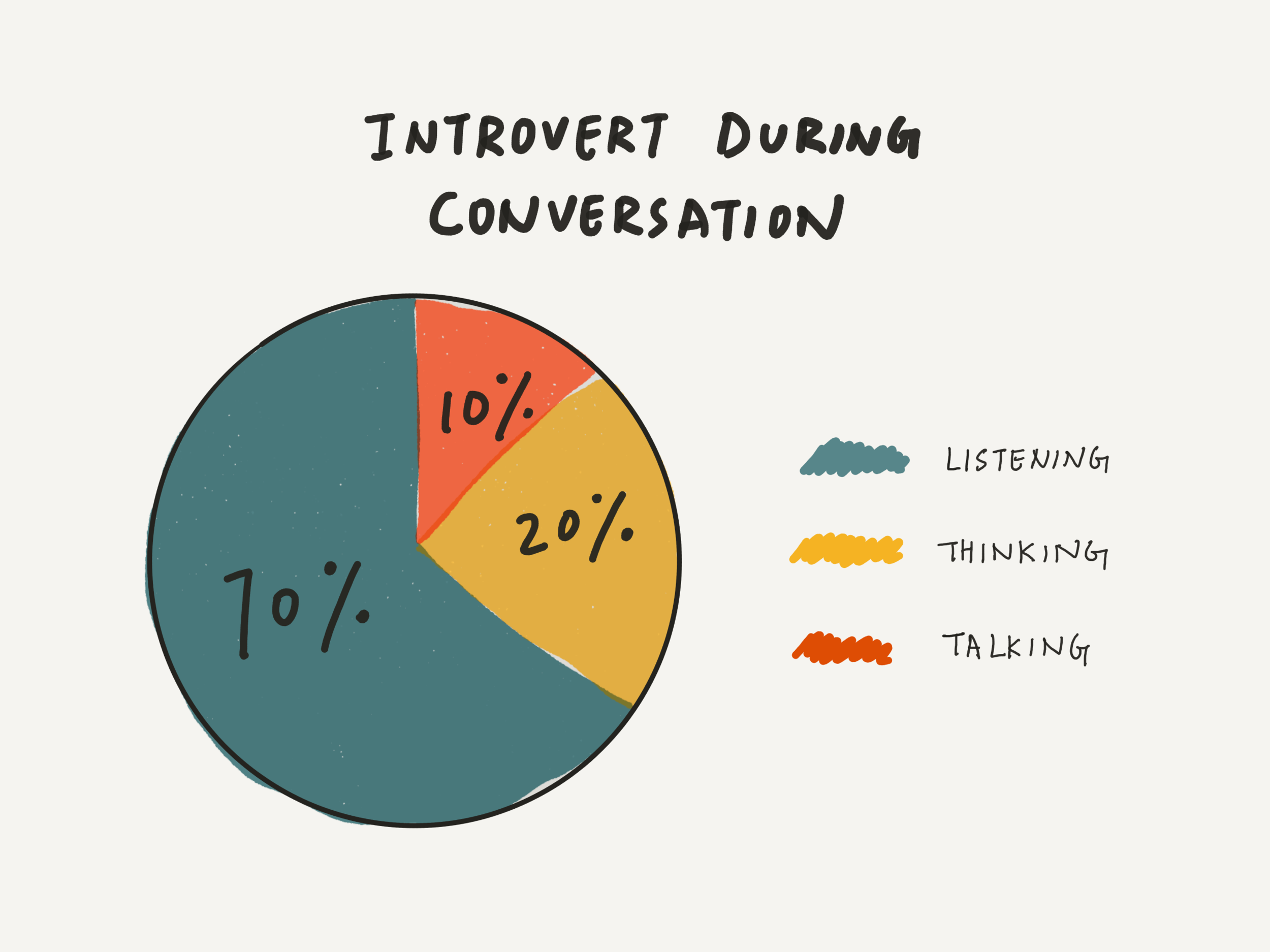
Coming To Terms With Being An Introvert: A Journey From Shame To Acceptance

Coming To Terms With Being An Introvert: A Journey From Shame To Acceptance

I didn’t realize this until recently but my childhood was more painful than I thought. Not because it was particularly traumatic-- it was not. I had two loving, flawed parents, who loved me the best they could and allowed me to search out my path in the world with lots of support and kindness. No, my childhood was painful because I wasn’t my younger brother.

My brother was an extrovert. But not just your run-of-the-mill extrovert. He was a life-of-the-party, makes-everyone-laugh extrovert. My brother was just magnetic from a young age. People were drawn to him and loved him. He always had a lot of friends. Girls seemed to swarm to him in a way they never did for me. He was always the center of attention.
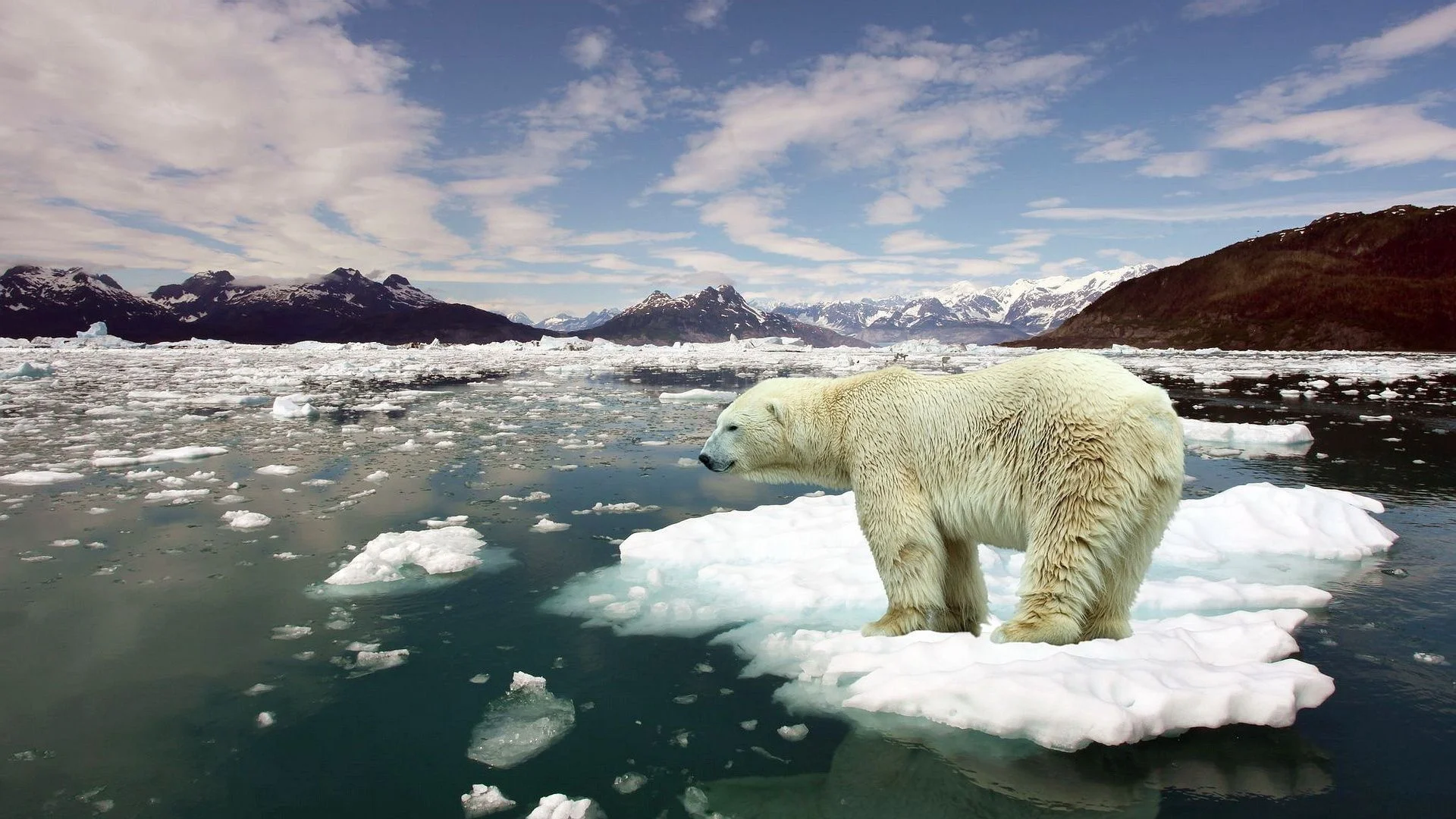
15 Current Facts And Possible Futures Regarding Climate Change, Which Should Terrify You

15 Current Facts And Possible Futures Regarding Climate Change, Which Should Terrify You

I’m currently reading David Wallace-Wells’s “The Uninhabitable Earth: Life After Warming.” To say it’s terrifying is a profound understatement. It’s hard to overstate how much we’ve damaged the planet and how much human suffering and death. (Of course, if you’re paying attention, it’s already started to cause much suffering, destruction and death).

But to turn to specifics: here are 15 current facts and projections for the future from Wallace-Wells’s book that I found particularly terrifying. I share them to illuminate, edifying and provoke those who read it.

Creativity, Capitalism and Alienation

Creativity, Capitalism and Alienation

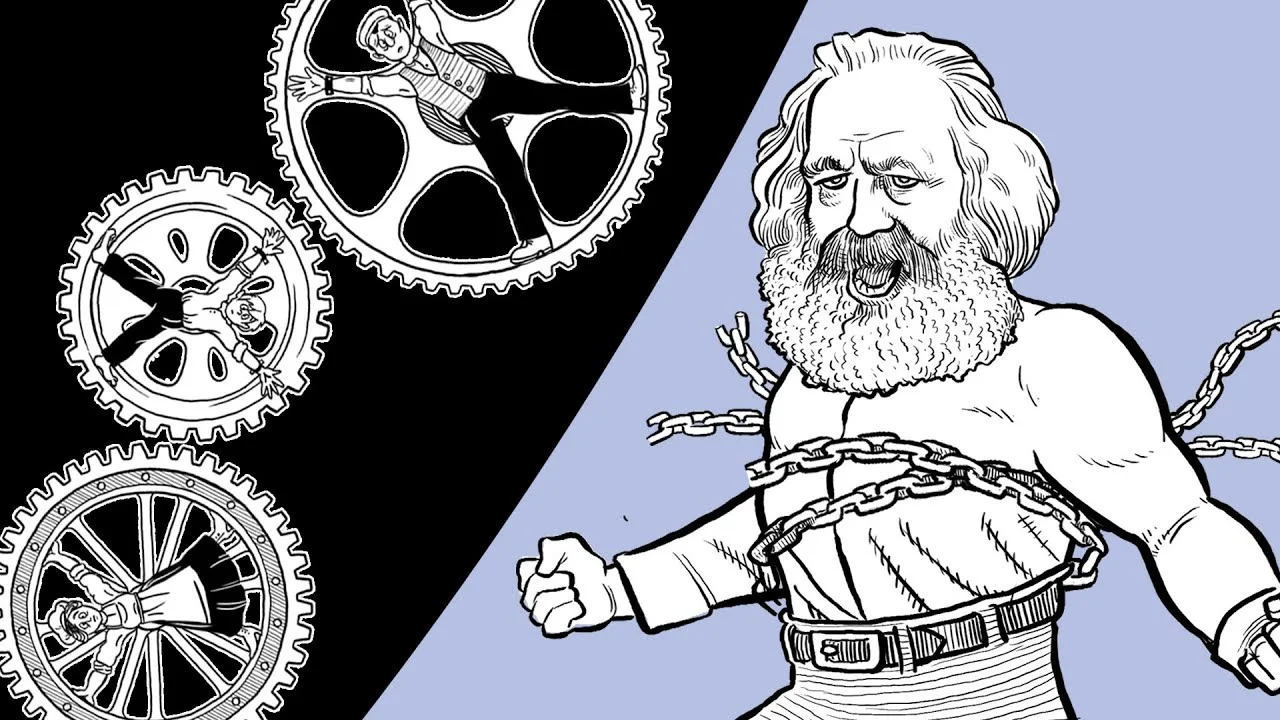
“Alienation” is not a phrase you will hear in the mental health field often. If you do, it is commonly related to some mental health condition, such as “her depression led her to be alienated from her work and friends.” Alienation is a symptom in mental health, a result of some more serious condition, such as Bipolar or Major Depressive Disorder.

But as I’ve seen more patients over the years and read and absorbed different points of view, I have come to believe that alienation is its own mental health category. It is marked by a lack of feeling or connection to the world and people around them. It is very much a modern, existential condition. In a world where our work life has little meaning, we tend to disconnect and become alienated to those around us. And it is far more common than you think.

The Emerging Research on Psychedelics

The Emerging Research on Psychedelics


Psychedelics, that category of illegal drugs which includes LSD and magic mushrooms, have been illegal in the United States since the mid-60s, largely because of a conservative reaction to the lawlessness and free spirit of the 60s. Think of the so-called hippies who used these drugs recreationally. As the counterculture against the Vietnam War grew, and more and more people used these drugs, the powers at be felt threatened and decided to cut the party short. Of course, making the drugs illegal just added to their allure and helped create a whole cast of counterculture heroes, like Timothy Leary. But as a result of psychedelics being cast as an illegal schedule 1 drug (schedule 1 drugs are deemed to have no medical use), research on psychedelics largely ended by the 70s.

Food, Meditation, Exercise and... Economic Class.

Food, Meditation, Exercise and... Economic Class.

I’ve just finished a slew of books on the environment and neuroscience in the last month. They include:

All of them are worth a read, except maybe “Healthy Brain, Happy Life,” which turns into a “Sex In The City” memoir-type for many of its pages. There is also a very common theme in all of them: eat well and avoid processed foods that are environmentally damaging; meditate to find peace of find; and exercise for emotional well-being.

Pleasure Vs. Happiness

Pleasure Vs. Happiness

Recently I’ve been reading and thinking a lot about the brain, happiness and addiction. It’s been eye-opening. Most people’s defintion, I’ve come to realize, relates to pleasure, but do not have a concept of what long-term happiness is.

What’s the difference? Pleasure is short-term. It’s the dopamine kick we get in anticipation and from using something. Examples of pleasure run the gamut from gambling to sex to food to drugs. In all respects our brains from what one point of view is the brain of an addicts. Think of the card player or slot jockey at a casino. Or maybe the heroin addict. Or the cigarette smoker. Or how about the newest addiction, that of our addiction to our phones. Often times we think we have free will and are choosing to do these things. But neurochemically the picture can be interpreted quite differently. It some respects, without realizing, we are just chasing dopamine hit after dopamine hit, slaves when we think we’re free.

Happiness is different. In fact I don’t even like the word happiness because so many people associate it with pleasure. I prefer the Aristotelian word, eudaemonia, which translates roughly to contentment of the human spirit. This sort of contentment of the spirit is not chased by dopamine hits. (For the record, I don’t have anything inherently agains short-term pleasure. I’ve been known to polish off a pint of ice cream and smoke too many cigarettes in my day!) How one reaches eudaemonia is of course different for anyone. I’m almost 40 and I think I’m just fully coming into my own form. But I’ve had to make some changes in my life.

Food Justice And The Environment

Food Justice And The Environment

I’ve been on a bit of a Food Justice and environmental kick. To put it bluntly, the environment was never high on my list of priorities for social justice as oppressions and inequalities with regard to class, race, gender and more always took center stage. But that’s changed as I’ve become more and more educated about climate change. And in the last year, I’ve come to see that all other inequalities fall far behind what we are doing to our environment.

It’s easy to despair about climate change and our lack of response as a species to deal with it. I know I often do. Carbon emissions keep rising. We keep extracting more and more oil from the ground. The ocean’s acidifying. All coral reef in the ocean and much of sea life will probably be completely gone in the next 50-60 years. It’s not great.

But I still have hope. I realize that hope is quite possibly a delusional hope. But despair doesn’t feel like an answer to me. I prefer an absurd humanism akin to Camus’s philosophy. It might all be meaningless and hopeless for the human race, but I feel a moral urge to live in a sustainable way because the other option is choosing inaction and apathy.

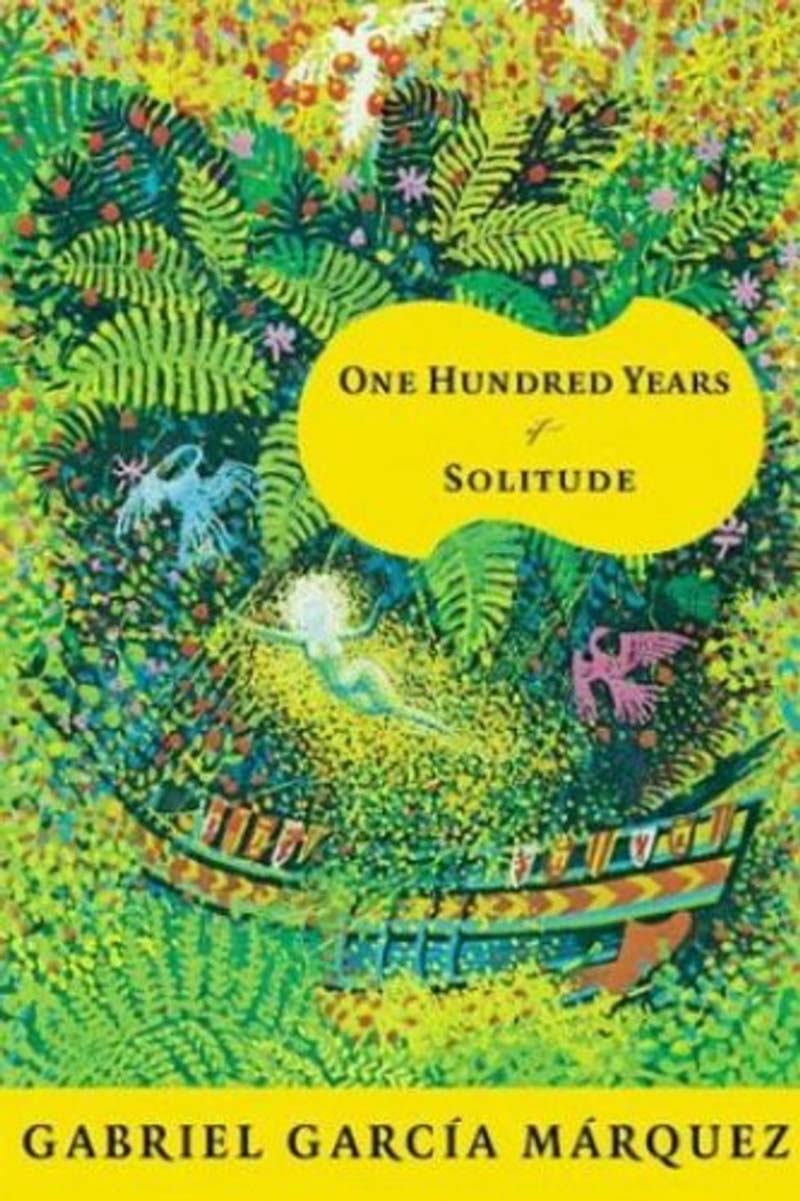
Go Read "One Hundred Years Of Solitude"

one-hundred-years-of-solitude-gabriel-garcia-marquez.jpg

Just a short blog as I haven’t had a ton of time today to write…

I just reread “One Hundred Years Of Solitude” for the first time in 20 years at least. When I was a younger man, I had loved the book, but I don’t think I had any sense of its depth, the cycles of growth and decay, life and death, and the sense that time can often feel like it’s moving in a circle instead of linearly.

Reading it again now, I was surprised how much I loved it immediately. I have reread quite a few of my favorite novels from my youth recently, including “The Brothers Karamazov,” “The Sun Also Rises,” and “The Great Gatsby.” All of them were still excellent books, but somehow didn’t move me or bring me to awe the way they did when I was younger.

But this book did. Choose any one paragraph in Marquez’s book, and there is more energy, more to say about what drives us, our flaws and joys and sadnesses, in any one paragraph than I’ve read in other author’s entire books. Somehow it captures all that is profound magical about life, along with all that is banal and useless. It is the best novel I’ve ever read, and is on the short list of the best books I’ve read…

White Supremacist Capitalist Patriarchy

White Supremacist Capitalist Patriarchy

There has been a lot of chatter among liberal culture about identity politics. (Full disclosure, I do consider myself a liberal but far left of that ideology). On one level, I completely understand to work toward an antiracist, anti-patriarchal society as race and gender are two of the most forms of oppression that have been going on for hundreds of years. What I don’t understand is how class is almost never seen as a form of oppression among a certain-type liberal culture. That on one level if we had more diverse educated and rich people, that would be this amazing achievement for society.

You Are Not A Narrative

You Are Not A Narrative

Human beings are narrative creatures. As Yuval Noah Harai and others have noted, most of our basic institutions are based on some of collective fiction that would fall apart if examined too closely. This goes for things like nationalism or the idea of a nation state or even the concept of money and value. (For example, money is almost entirely imaginary at this point. 90% of is just computers sending back amounts from account to account that doesn’t really exist in any tangible way).

But humans are also narrative creatures in the sense that we view our own lives as stories with a beginning, middle and end. It’s the reason our novels and movies follow this basic format. It’s a trick of memory. Narratives are how we make sense of immeasurably complicated world. Without narratives, I think most of us would lose a sense of identity.