A Guide To Spirituality: Being versus Doing

A Guide To Spirituality: Being versus Doing

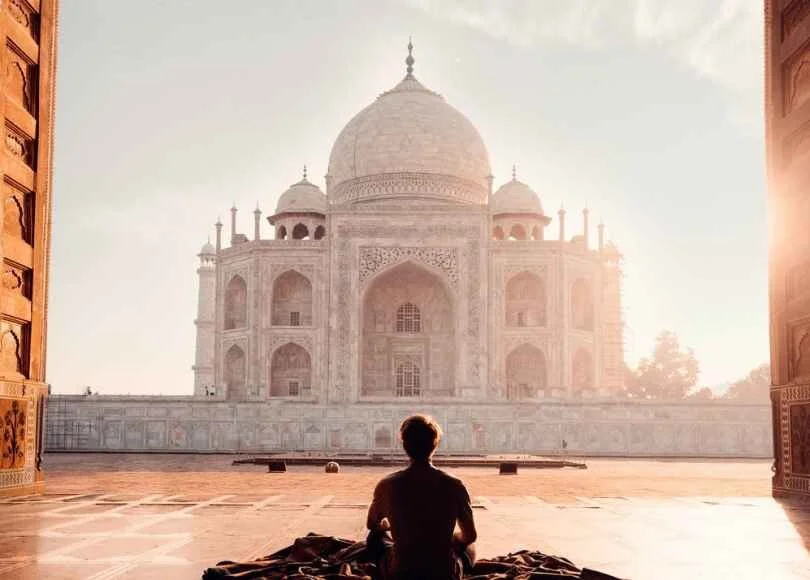
I read a wonderful piece in Tricycle magazine today about what a spiritual life looks like. The timing for me to read it was perfect. It’s something I’ve been trying to make sense of recently.

We are very much a doing world. Even the language of therapy is often about doing. Everyone seems to come in and say to me, “I need to work on myself,” or “I need to work on my relationships.” The sentiment is understandable. We are a self-improvement culture. Our lives are viewed linearly, our lives a constant striving for self-improvement with a beginning, middle, and end. There is much usefulness in seeing the world this way. It is goal-orientated and results-focused first and foremost. It has helped create the world around us, including the computer I type on now or the smartphone I use to answer my emails and check social media. A lot of us internalize this productive voice and hear it in the daily chatter of our thinking self and assume this is who we are.


Why Social Media Will Make You Feel Empty: Identity and Social Hierarchies In The Internet Age

Why Social Media Will Make You Feel Empty: Identity and Social Hierarchies In The Internet Age

I loved social media. I loved that I was never bored, that any time I felt empty or alone, I could dawdle on my couch and feel connected to millions of people throughout the world. On Twitter, I could read an inexhaustible stream of opinions and articles about politics and sports. On Instagram, I could discover new worlds through others’ travel, see my friend’s new children or houses, and best of all, I could show off my fabulous young adult Brooklyn life filled with cocktail bars, restaurants, and parties. On Snapchat, I could send pictures with weird filters and get laughs from acquaintances. The likes I got were intoxicating. I could feel the serotonin boosts in my brain with each like, a stream of dopamine injection that maybe me feel popular, something I have never been in my life.

5 Things I’ve Learned After Twenty Years of Meditating

5 Things I’ve Learned After Twenty Years of Meditating

I started meditating when I was 21. When I was in Kathmandu, Nepal, I bought a copy of Kathleen McDonald’s How To Meditate at a bookstore in Thamel and read it. I had visited Boudha, a stunning Buddhist stupa in Kathmandu, earlier on my trip and felt a strong connection to the chanting monks and the spherical, skyward wonderment of the Buddha eyes and tower.

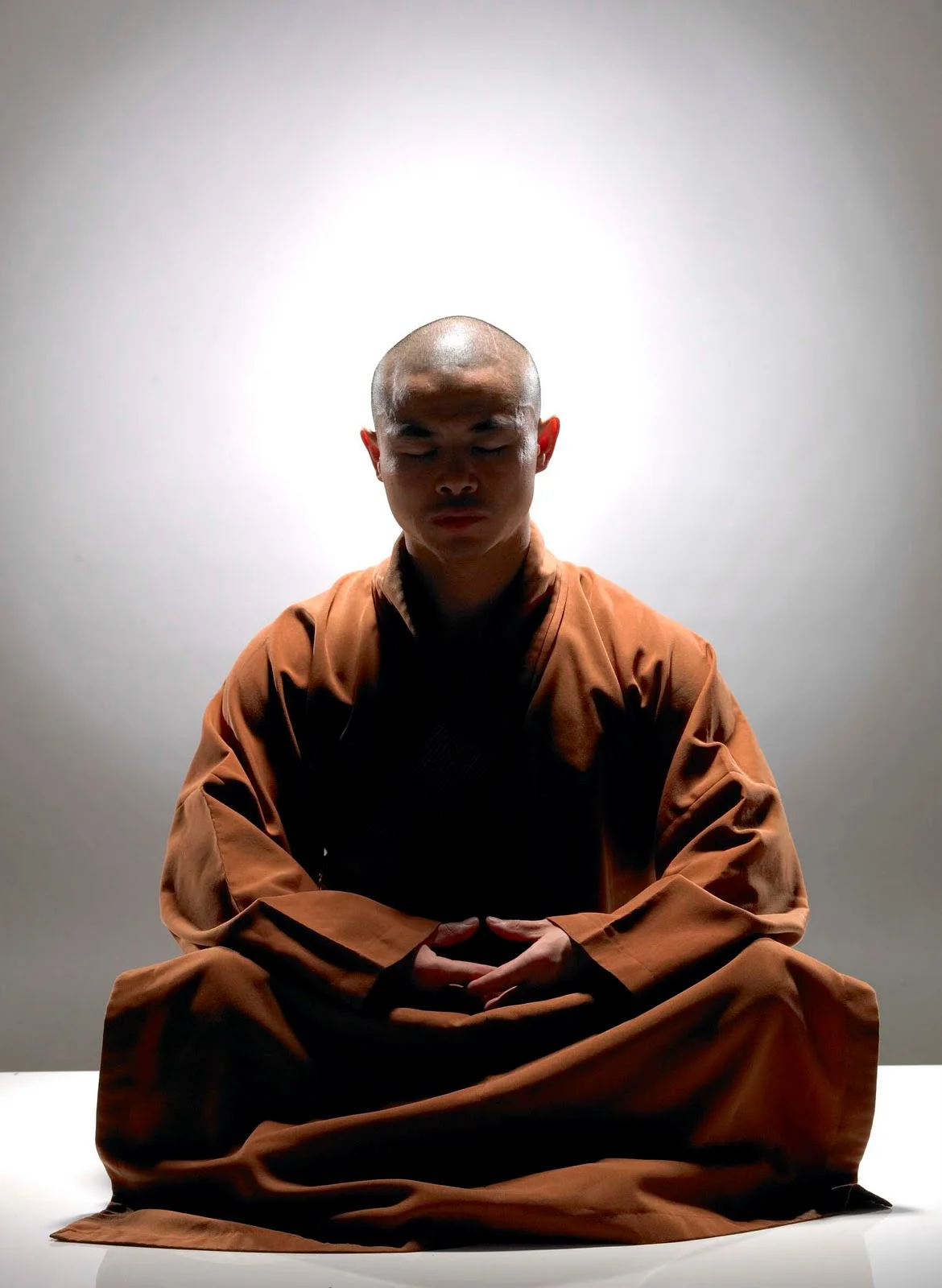
I read through the book, finishing it upon my return to America where I began to meditate on some folded pillows, beginning a long journey into the present day. It’s taken time but now I’m a daily meditator--somewhere between 30 minutes to an hour a day-- and I have also attended several mediation retreats in my life. This morning I was thinking about how meditation has helped me and thought it would be worthwhile to share it will you all. So without further ado…

Why Self- Acceptance and Letting Go Are Essential for Happiness

 Why Self- Acceptance and Letting Go Are Essential for Happiness

Our brains are excellent at keeping us alive. They keep all the functions of your body going and running harmoniously. They will tell you when you’re hungry, thirsty or if you need to go to the bathroom. They will alert you to dangers real or imagined.

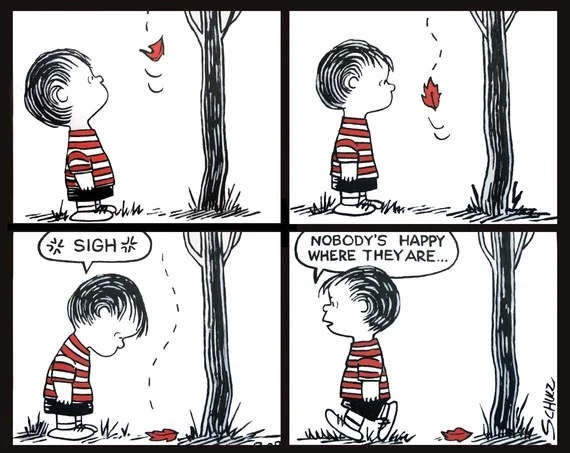
But our brains are awful at making us happy. Let’s take the act of thinking. As a species, we tend to believe in the validity of our thoughts. After all, you’ve never been given any reason to think otherwise.

3 Ways to Face Impermanence, Loss and Death

3 Ways to Face Impermanence, Loss and Death

You will die. That much is certain. It is only a question of when. And between your death and now, you will suffer much loss as well. It may be the end of a relationship or the death of a pet. It may be the loss of a job or something internal and more abstract like the loss of innocence. But it will happen to you just like it happens to everyone. And there is nothing you can do to stop it.

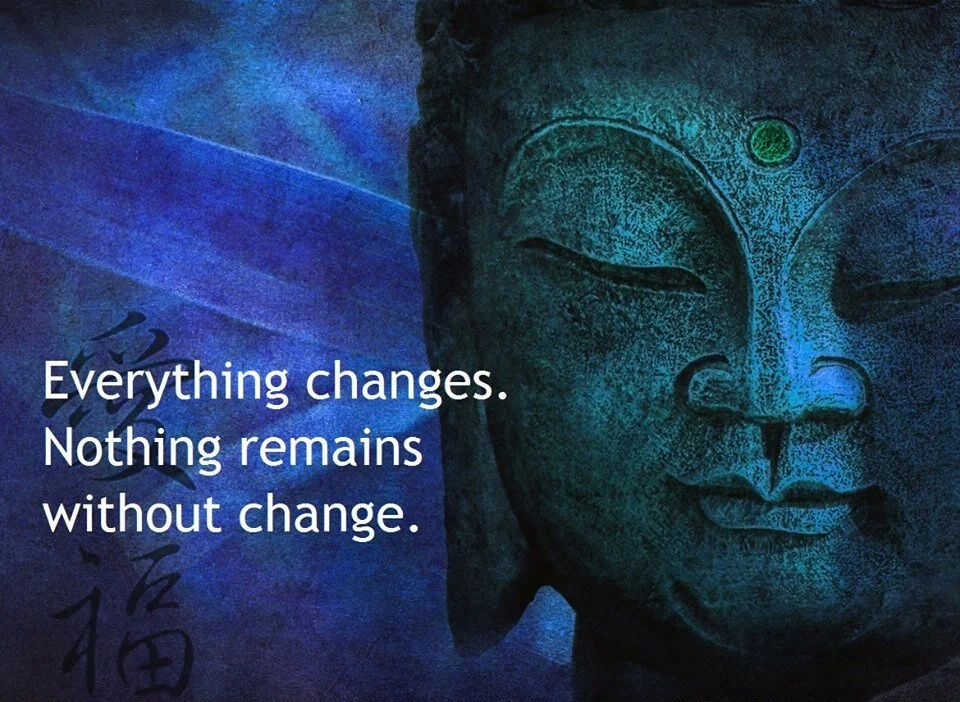
In Buddhism, loss is understood as a part of existence. Impermanence, one of the three marks of Buddhist teaching, is simple enough to understand: everything changes. This presents a problem psychologically for human beings. Human beings crave permanence and security but life is in constant flux. How are we expected to find peace when everything feels precarious and unstable? There are no easy answers here. If there were, people would generally be a lot happier and less anxious. In my experience as a psychotherapist, however, people are a lot more unhappy.

Reflections on God, Death, Meaning and Spirituality

Reflections on God, Death, Meaning and Spirituality

“Do you pray?” I once asked a patient.

“No, I’ve never been able to for some reason” she paused. “Do you?”

“No,” I said. “Because I don’t know if anyone is listening.”

It has always struck me as inconceivable that someone is listening to prayer. How can people be sure of some divine force in their lives? Even such Christian luminaries such as Martin Luther King and Mother Theresa experienced their doubts about God. I am no different. God does not speak to me in tongues or voices. All I hear are silent ellipses where I sense holiness in the mundane, the awe-inspiring in the ordinary. God has always seemed like an inelegant, hollow solution to the problem of meaning and death.

Assessment Culture Is Toxic To Creativity And Mental Health

Assessment Culture Is Toxic To Creativity And Mental Health

Some quick thoughts on assessment culture as I sit in the local coffee shop this lazy Sunday afternoon…

What is Assessment Culture? 

First, a definition. What exactly is assessment culture? In my view, it’s the continuing assessment of performance from school through your adult life. Some examples of assessment culture including grades or performance reviews at work. But it doesn’t stop there, as assessment culture has become rampant in the internet age. Think Yelp and Amazon reviews or even message boards for tv shows like Game of Thrones. In today’s world, everything is constantly assessed and judged continuously and ubiquitously. 

Who Are You? The Mystery of Existence and The Importance of A Rich, Inner Experience

Who Are You? The  Mystery of Existence and The Importance of A Rich, Inner Experience

Have you ever asked yourself the question, “Who Am I?” What comes up when you do ask that question? I imagine that most of us start with labels or descriptions of our life. For example, I could say, “I'm a 5’8” Asian-American therapist that weighs 155 pounds. I was born in Mountain View, California but now live in New York City.” But would that encompass who I am in any meaningful way?

I don’t think so. In fact, I think that description is mostly worthless because it says nothing about what is going on in my subjective everyday consciousness. So maybe we’re our thoughts and feelings? That would better describe our inner, subjective experience. But have you really examined your thoughts before?

What Meditation Isn't: 5 Common Misnomers of the Ancient Practice

What Meditation Isn't: 5 Common Misnomers of the Ancient Practice

So you want to meditate… kudos to you for wanting to improve your mental health and life. When I’ve practiced it consistently, which admittedly wanes depending on the week, meditation has changed my life for the better. While some have tried to quantify meditation with a number, I feel like that might be doing meditations benefits a disservice. With regular practice, you just aren’t the same person you before meditation; suddenly there is space between thoughts and you are more present. You’re kinder, more loving and more patient.

But there is a lot of disinformation on what meditation actually is. I’ve heard wild things about meditation from people trying to reach astral planes or from novices who believe that meditation means clearing one’s mind of all thoughts. So without further ado, I thought I’d try to address 5 common misnomers about meditation.